

Why Ekadashi Fasting Transforms Your Life
 Nabaday Halder
What is Ekadashi?
Ekadashi literally means "the eleventh" and refers to the eleventh day of both the waxing (bright) and waning (dark) lunar fortnights. This means Ekadashi occurs twice in every lunar month, approximately 24 times per year.
According to Vedic tradition, Ekadashi is the most auspicious day for spiritual practices. The scriptures state that on this day, the influence of passion and ignorance is minimized, making it easier for consciousness to ascend to the mode of goodness and beyond.
The Spiritual Science
The Padma Purana narrates that all sinful reactions personified take shelter in grains on Ekadashi day. By abstaining from grains and beans, devotees avoid accumulating these negative karmic reactions while simultaneously engaging in enhanced spiritual practices.
More importantly, Ekadashi is dedicated to Lord Vishnu (Krishna). The day is meant for:
- Increased chanting and hearing about the Lord
- Reading scriptures
- Visiting temples
- Associating with devotees
- Minimizing worldly activities
What to Avoid
On Ekadashi, devotees traditionally abstain from:
- All grains (rice, wheat, corn, oats, etc.)
- All beans and legumes (dal, lentils, chickpeas)
- Certain spices like asafoetida
- Mustard
- Sesame seeds
What to Eat
The fast doesn't mean complete abstinence from food. Permitted foods include:
- All fruits and fruit juices
- All vegetables (except those mentioned above)
- Potatoes and root vegetables
- Nuts and dry fruits
- Milk and dairy products
- Sugar and honey
- Coconut
Health Benefits
Modern science increasingly validates traditional fasting practices:
Physical Benefits
- Gives the digestive system a rest
- Promotes autophagy (cellular cleansing)
- Helps maintain healthy weight
- Reduces inflammation
- Improves insulin sensitivity
Mental Benefits
- Increases mental clarity
- Enhances focus and concentration
- Develops willpower and self-discipline
- Creates awareness around eating habits
Spiritual Benefits
- Lightness of body aids meditation
- Creates time otherwise spent on cooking/eating
- Develops detachment from bodily demands
- Aligns consciousness with cosmic rhythms
How to Observe
For Beginners
Start by simply avoiding grains and beans while eating normally otherwise. Focus on fruits, vegetables, and dairy products.
Intermediate Practice
Fast from breakfast until noon the next day (breaking fast after sunrise but before noon). Take only one simple meal in the evening.
Advanced Practice
Complete nirjala (waterless) fast from sunrise to sunrise, engaging fully in spiritual practices throughout.
Breaking the Fast
The fast should be broken on Dwadashi (the 12th day) within a specific time window after sunrise. Traditionally, one first offers food to the Lord and then honors the prasadam (sanctified food), beginning with grains.
Practical Tips
- Prepare ahead: Stock up on permitted foods before Ekadashi
- Plan your meals: Know what you'll eat to avoid confusion
- Stay hydrated: Drink plenty of water and fresh juices
- Keep active: Gentle activities help distract from hunger
- Focus on spiritual practice: The real purpose is not diet but devotion
"One who observes Ekadashi is freed from all kinds of reactions to sinful activities and advances in spiritual life." — Garuda Purana
Found this article helpful? Share it with others on their spiritual journey.
Continue Your Spiritual Journey
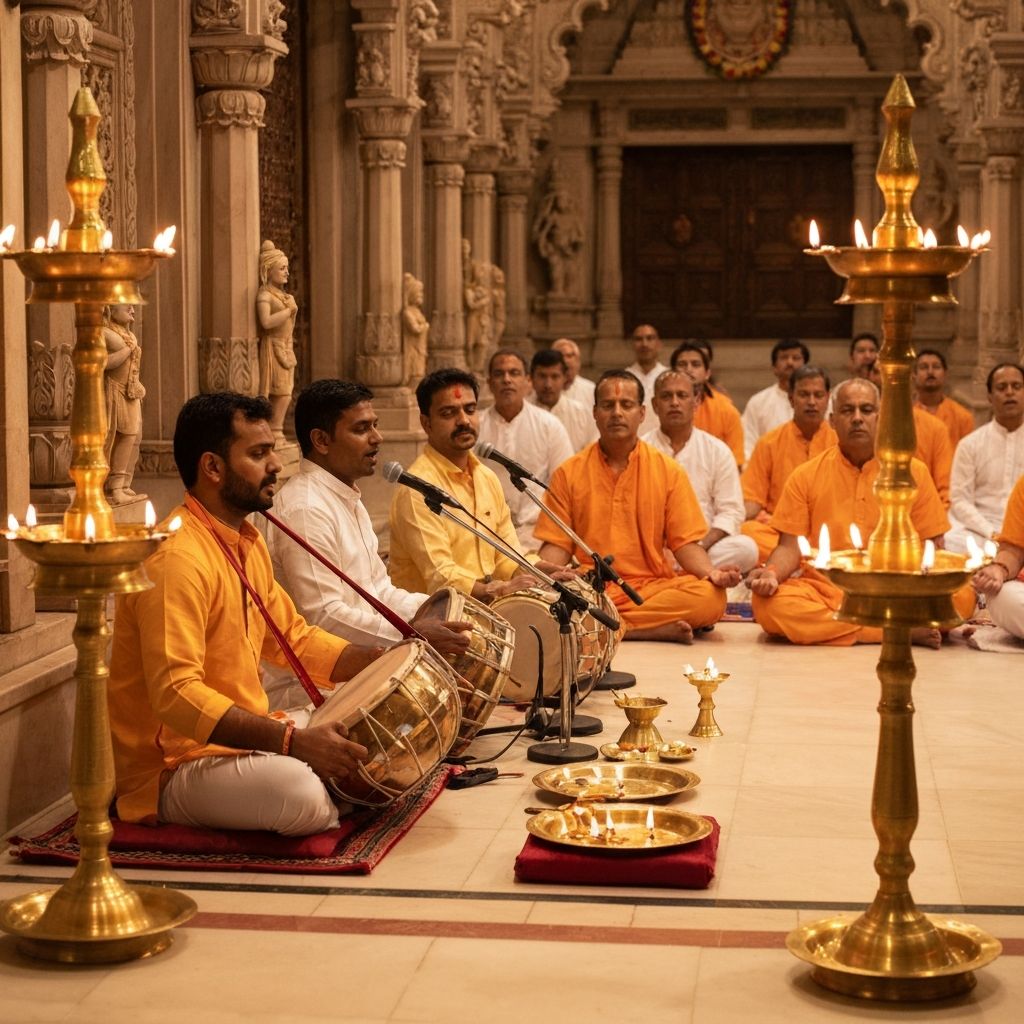 Spiritual Practice
The Power of Chanting Hare Krishna Mahamantra
Discover why the Hare Krishna maha-mantra is considered the most powerful method for spiritual realization in this age of Kali Yuga.
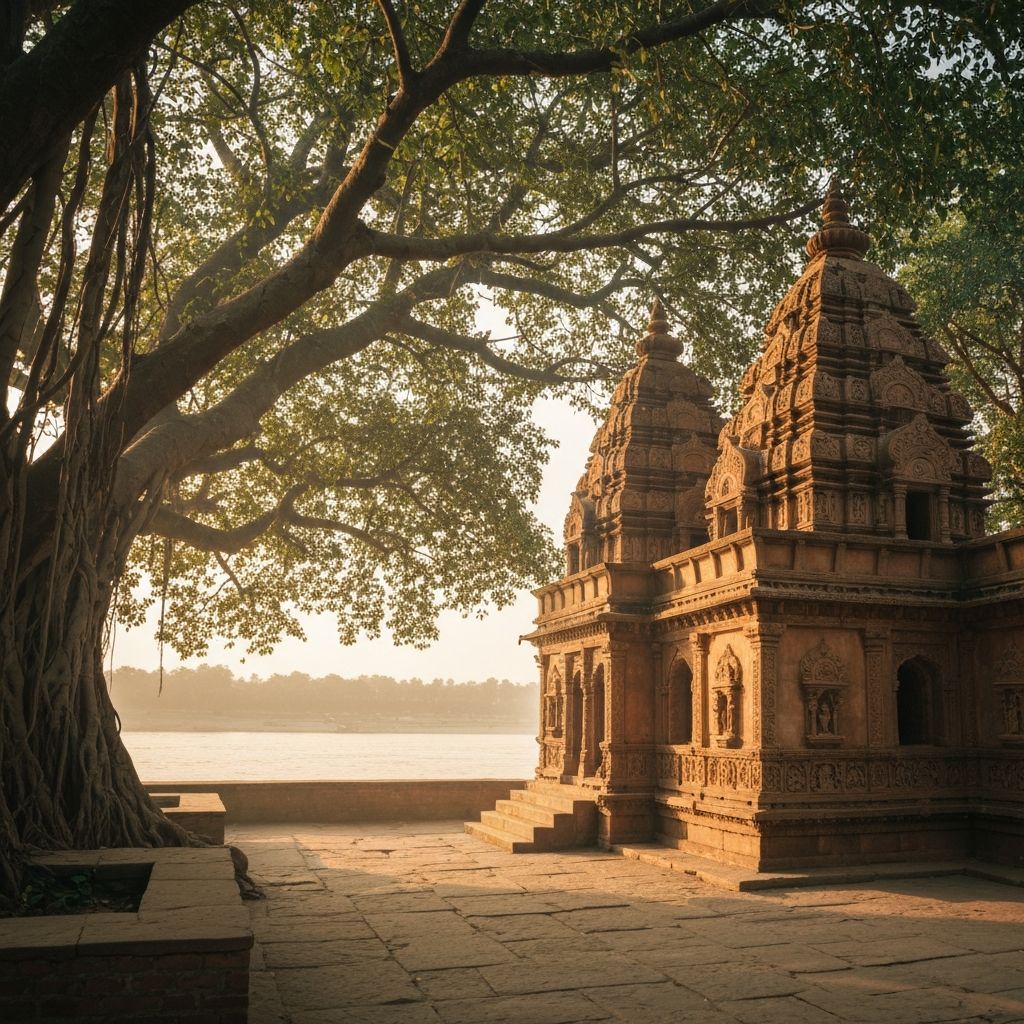 History
The Glorious History of Nabadwip Dham
Journey through 500 years of spiritual heritage, from the appearance of Sri Chaitanya to the modern-day pilgrimage movement.