NabadwipDham
AI Spiritual Travel Planner
Discover the sacred land of Sri Chaitanya Mahaprabhu and plan your pilgrimage through Nabadwip Dham — the spiritual heart of Gaudiya Vaishnav tradition.
Ask Me Anything About Nabadwip Dham
Get instant answers about pilgrimage planning, sacred places, spiritual practices, and more.

Nabaday Halder
Your AI Spiritual Travel Guide
Quick Questions
Tips for Best Results
- 1.Ask specific questions about places, timing, or practices
- 2.Use voice input for hands-free assistance
- 3.Share your contact for personalized follow-up
About Nabadwip Dham
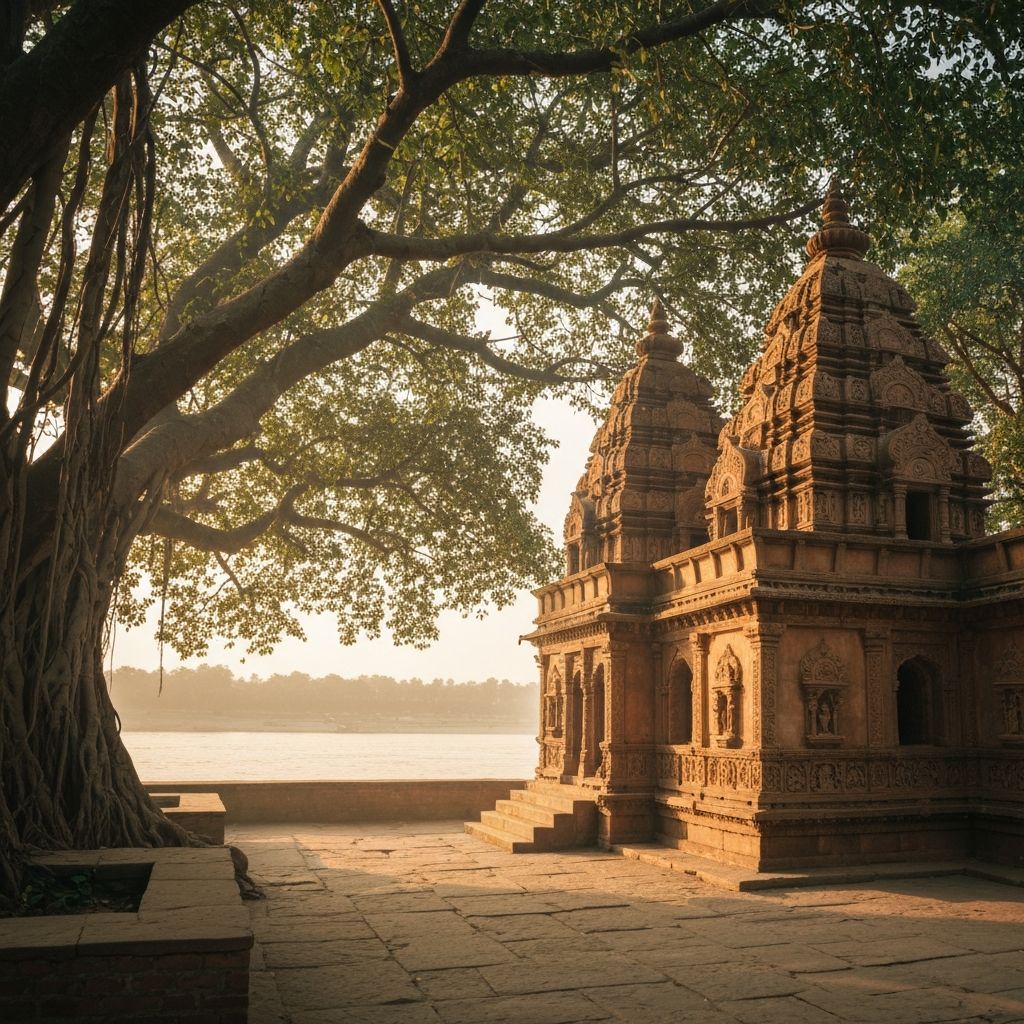
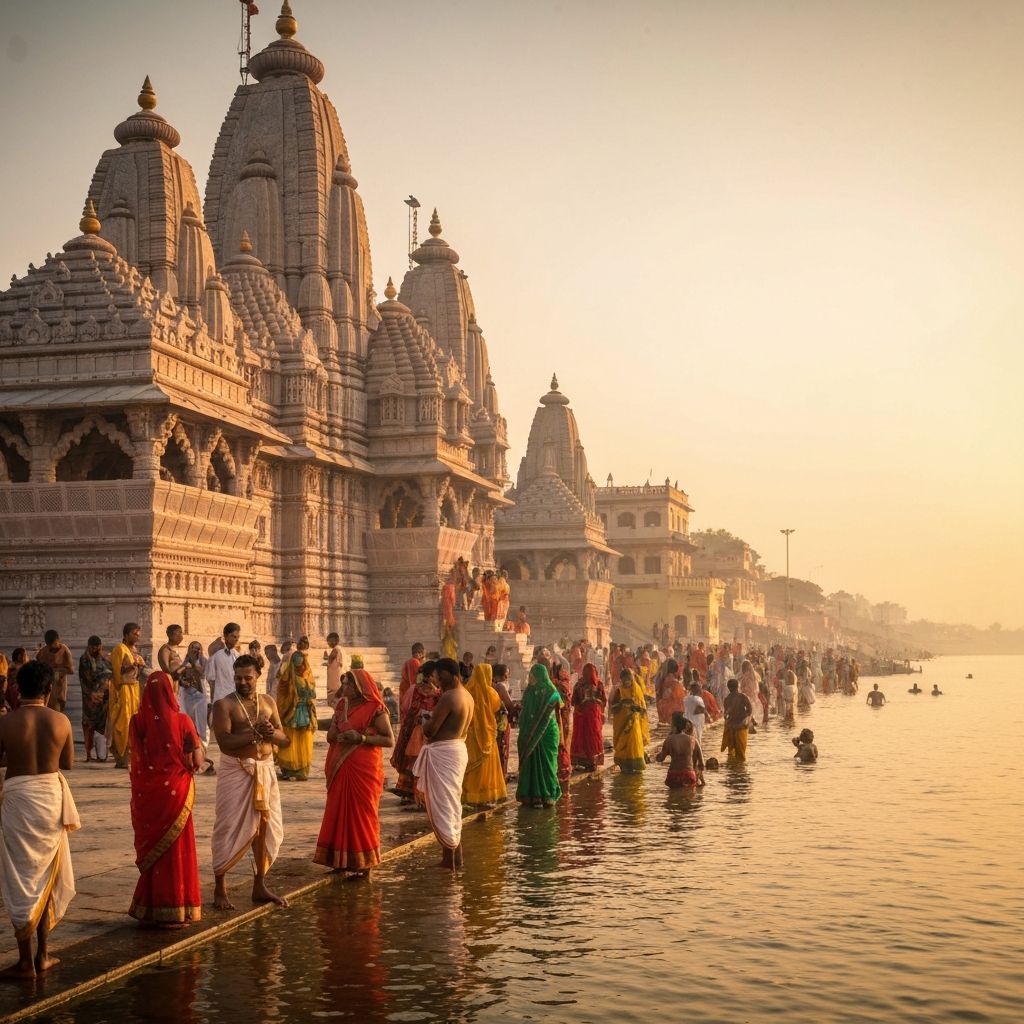
Nabadwip Dham, situated on the banks of the holy Ganga in West Bengal, is one of the most sacred pilgrimage destinations in Sanatan Dharma tradition.
Birthplace of Sri Chaitanya
The sacred land where Sri Chaitanya Mahaprabhu appeared in 1486, transforming spiritual consciousness worldwide.
Nine Sacred Islands
Navadvipa consists of nine islands, each representing one of the nine forms of devotional service (Navavidha Bhakti).
Gaudiya Vaishnav Heritage
The epicenter of Gaudiya Vaishnav tradition, where the sankirtan movement of congregational chanting began.
Living Spiritual Culture
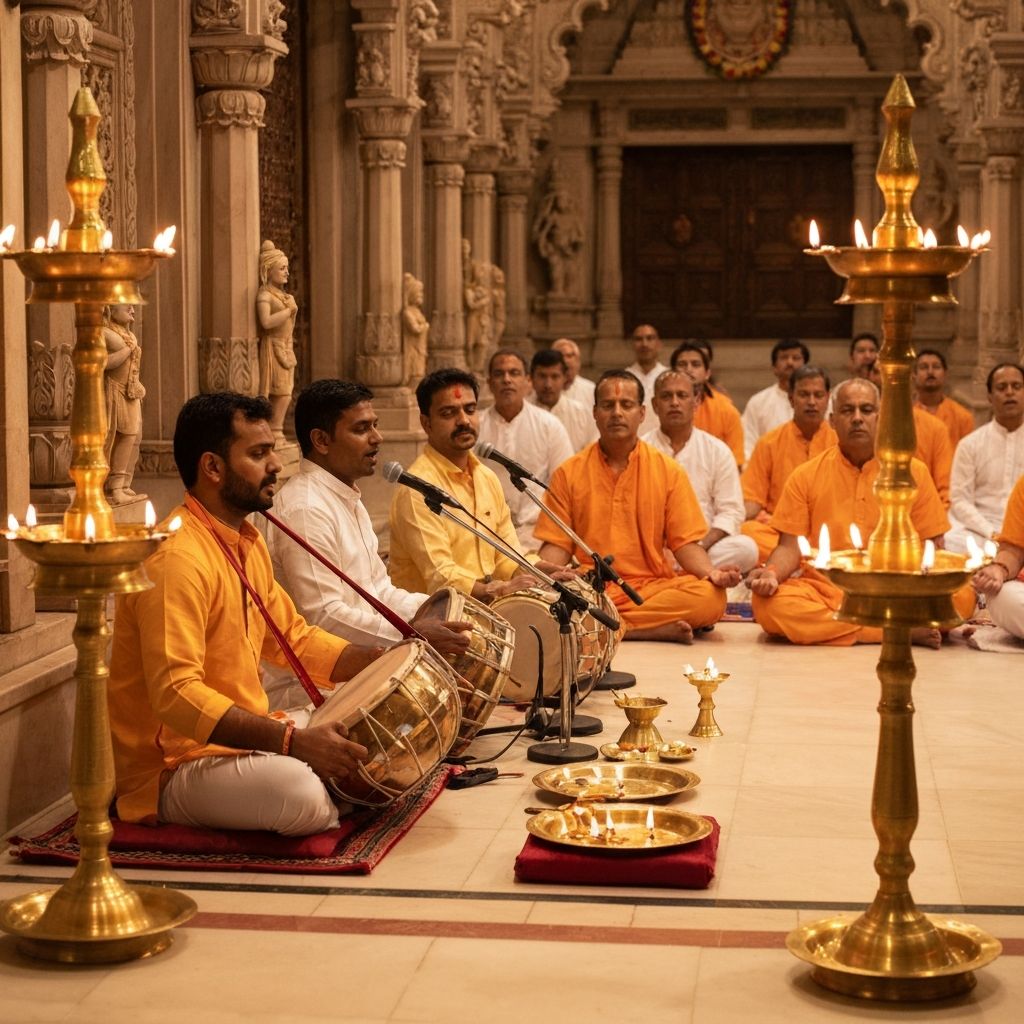
A vibrant community where ancient traditions continue, with daily kirtans, festivals, and pilgrimage activities.
The Spiritual Significance
Sri Chaitanya Mahaprabhu, considered by Gaudiya Vaishnavas to be the combined form of Radha and Krishna, appeared in Nabadwip in 1486. His mission was to spread the congregational chanting of the Holy Names as the universal method for spiritual awakening.
The teachings of Sri Chaitanya emphasize prema-bhakti (pure love of God), achieved through the chanting of the Hare Krishna maha-mantra. His philosophy of Achintya Bheda Abheda (inconceivable oneness and difference) reconciles various spiritual perspectives.
Today, Nabadwip Dham attracts millions of pilgrims annually, especially during Gaura Purnima, the appearance day of Sri Chaitanya, celebrated with grand festivals and the sacred Nabadwip Dham Parikrama.
"Hare Krishna Hare Krishna"
"Krishna Krishna Hare Hare"
"Hare Rama Hare Rama"
"Rama Rama Hare Hare"
The Maha-mantra
Important Places to Visit
Explore the divine geography of Nabadwip Dham — from ancient temples to sacred ghats, each place holds profound spiritual significance.
Home to ISKCON world headquarters and the magnificent Temple of the Vedic Planetarium (TOVP). A global center for Krishna consciousness.
The exact spot where Sri Chaitanya Mahaprabhu appeared in 1486. A most sacred site for all Gaudiya Vaishnavas.
The courtyard of Srivas Thakur where Sri Chaitanya inaugurated the sankirtan movement - the first organized congregational chanting.
The historic town with numerous ancient temples, traditional markets, and the authentic atmosphere of Bengali Vaishnav culture.
Multiple holy ghats along the Ganga for sacred bathing, offering prayers, and experiencing the divine river's blessings.
Sacred circumambulation paths covering all nine islands of Nabadwip Dham, traditionally done during Gaura Purnima festival.
Spiritual Practices
Discover the timeless spiritual practices that form the foundation of Gaudiya Vaishnav tradition and transform consciousness.
Hare Krishna Mahamantra
The Great Chanting for Deliverance
Sri Chaitanya Mahaprabhu specifically propagated the chanting of the Hare Krishna maha-mantra as the most effective spiritual practice for this age. The mantra consists of three divine names — Hare, Krishna, and Rama — calling upon the supreme Lord and His divine energy.
Hare Krishna Hare Krishna, Krishna Krishna Hare Hare, Hare Rama Hare Rama, Rama Rama Hare Hare
Practice: Chant on beads (japa) or in congregation (kirtan). The recommended daily practice is 16 rounds of 108 beads each.
Ekadashi Fasting
The Sacred Eleventh Day
Ekadashi occurs twice monthly on the 11th day of both the waxing and waning moon. Fasting on this day purifies the body and mind, enhances spiritual sensitivity, and is considered highly auspicious for spiritual advancement.
Practice: Fast from grains and beans. Spend extra time in chanting, reading scriptures, and spiritual contemplation.
Benefits: Physical purification, mental clarity, spiritual advancement, mercy of the Lord
Four Regulative Principles
Foundation of Spiritual Life
These four principles form the foundation of a pure and disciplined spiritual life, helping practitioners avoid activities that cloud consciousness and impede spiritual progress.
- 1No meat, fish, or eggs — Ahimsa (non-violence) and purity
- 2No intoxication — Clarity of mind and consciousness
- 3No gambling — Truthfulness and avoiding anxiety
- 4No illicit relationships — Cleanliness and self-control
Devotional Service
Navavidha Bhakti - Nine Forms
Devotional service (bhakti) is the direct method to connect with the divine. The nine forms of devotion provide a comprehensive path for spiritual seekers.
Blog & Articles
Deepen your understanding of Sanatan Dharma through articles on spiritual practices, pilgrimage experiences, and the teachings of the Gaudiya Vaishnav tradition.