
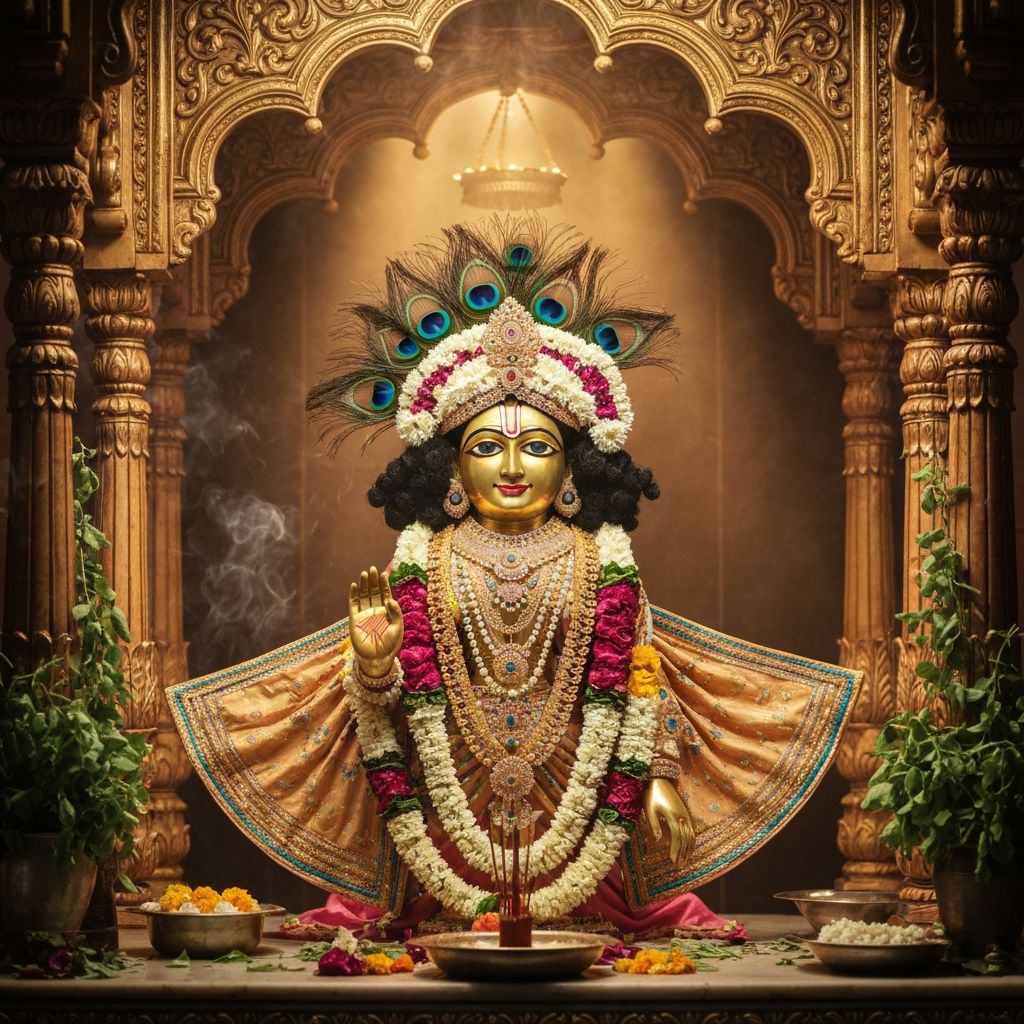
Teachings of Sri Chaitanya Mahaprabhu
 Nabaday Halder
The Golden Avatar
Sri Chaitanya Mahaprabhu (1486-1534) is considered by Gaudiya Vaishnavas to be Krishna Himself, appearing with the golden complexion and loving mood of Srimati Radharani. His mission was twofold: to taste the supreme love of God from the devotee's perspective, and to distribute this love freely to all beings.
Though he wrote only eight verses (the Shikshashtakam), his teachings, as recorded by his followers, form the foundation of Gaudiya Vaishnava philosophy.
Achintya Bheda Abheda: The Philosophy of Inconceivable Oneness and Difference
Sri Chaitanya's primary philosophical contribution is the doctrine of Achintya Bheda Abheda (inconceivable simultaneous oneness and difference). This teaching reconciles apparently contradictory statements in the scriptures about the relationship between God, souls, and the material world.
The Core Teaching
- The individual soul is eternally different from God—we are never to be equated with the Supreme
- The individual soul is eternally one with God—we share the same spiritual quality
- This relationship is inconceivable to the material mind—it transcends mundane logic
Practical Implication
We are simultaneously servants of God and part of God. Like sparks from a fire, we share the nature of the Divine but are never equal to the whole. This understanding forms the basis of devotional service (bhakti).
The Five Tattvas
Sri Chaitanya revealed the pancatattva—five aspects of the Absolute Truth:
- Sri Krishna Chaitanya - The Supreme Lord Himself
- Nityananda Prabhu - The Lord's first expansion
- Advaita Acharya - The Lord's incarnation as a devotee
- Gadadhara Pandit - The Lord's internal potency
- Srivasa Thakur - The pure devotee representing all souls
Understanding these five aspects helps devotees grasp the complete picture of divine manifestation.
The Shikshashtakam: Eight Verses of Instruction
Sri Chaitanya's only written work distills all spiritual teaching into eight essential verses:
Verse 1: The Glory of the Holy Name
The congregational chanting of God's holy names cleanses the mirror of the heart, extinguishes the fire of material existence, and awakens transcendental bliss.
Verse 2: Humility in Chanting
"I know no one but Krishna as my Lord, and He shall remain so even if He handles me roughly by His embrace or makes me brokenhearted by not being present before me."
Verse 3: The Mindset for Chanting
One should chant in a humble state of mind, thinking oneself lower than the straw in the street, more tolerant than a tree, ready to offer all respect to others while expecting none in return.
Verse 4: Motiveless Devotion
"O Lord, I have no desire for wealth, followers, beautiful women, or poetic prowess. I only want causeless devotional service to You, birth after birth."
Verse 5: The Cry of Separation
When one feels acute separation from Krishna, like a moment seems like twelve years, and the world feels empty—that is the proper mood for chanting.
Verse 6: Unconditional Surrender
Krishna may embrace or reject the devotee, but the devotee has no one else to worship but Him.
Verse 7: Love in Separation
Separation from Krishna causes the devotee the deepest anguish, yet in that separation, love intensifies to its highest degree.
Verse 8: The Ultimate Prayer
"I know no one but Krishna as my Lord. He may crush me by His embrace or trample me—but He is the Lord of my life."
Practical Teachings
The Yuga Dharma
Sri Chaitanya established the chanting of the Hare Krishna maha-mantra as the primary spiritual practice for this age. No other method is as effective or accessible.
Association with Devotees
Spiritual progress depends on the company we keep. Association with advanced devotees (sadhu-sanga) accelerates one's progress more than any other practice.
Service Attitude
Devotion expresses itself through service. Every action can become worship when performed with the intention of pleasing Krishna.
Beyond Caste and Creed
Sri Chaitanya accepted disciples from all backgrounds, demonstrating that pure devotion transcends birth, social status, or previous sins.
The Legacy
Sri Chaitanya's teachings revolutionized Indian spirituality:
- He democratized access to the divine through the holy name
- He elevated devotional love as the highest spiritual attainment
- He provided a philosophical framework that honors both God's immanence and transcendence
- He created a movement that continues to transform lives worldwide
"In this age of quarrel and hypocrisy, the only means of deliverance is the chanting of the holy names of the Lord. There is no other way. There is no other way. There is no other way." — Brihad-Naradiya Purana
Found this article helpful? Share it with others on their spiritual journey.
Continue Your Spiritual Journey
 Spiritual Practice
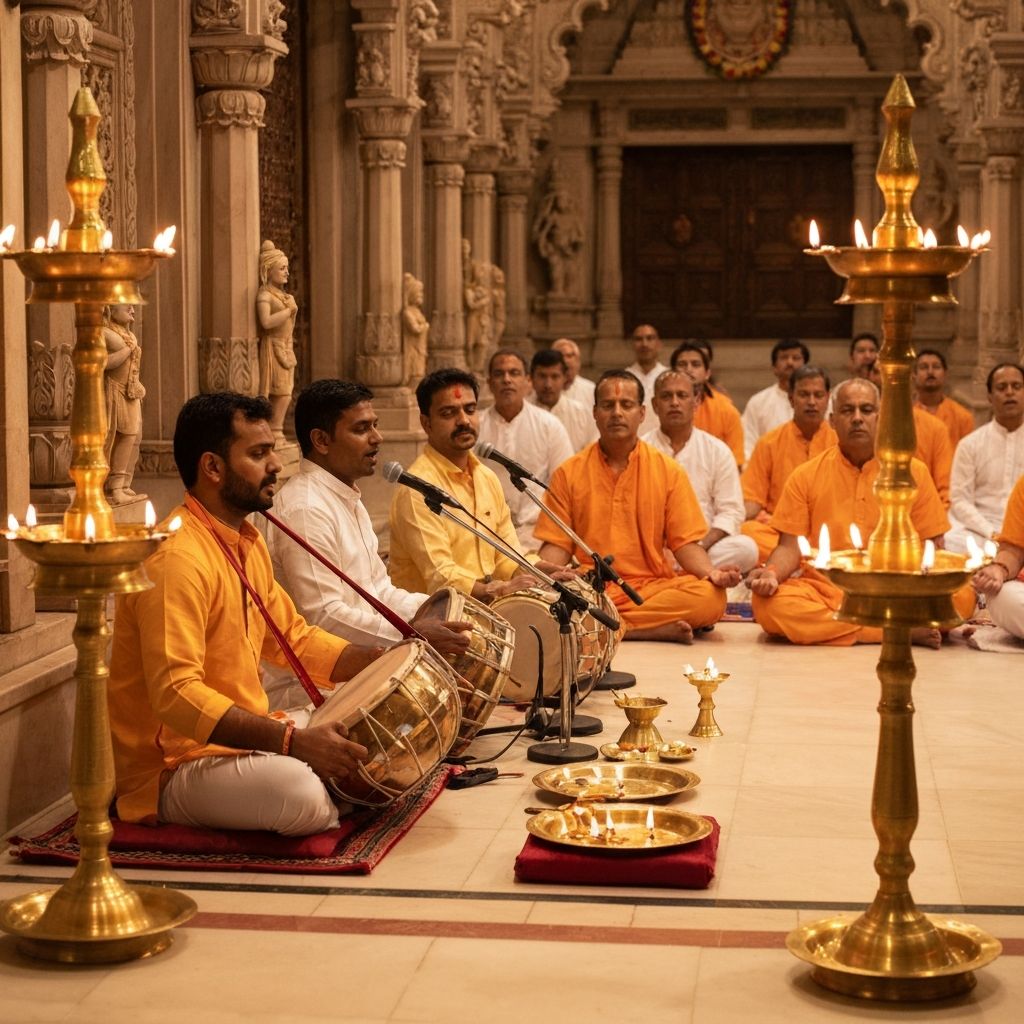
The Power of Chanting Hare Krishna Mahamantra
Discover why the Hare Krishna maha-mantra is considered the most powerful method for spiritual realization in this age of Kali Yuga.
 Fasting & Health
Why Ekadashi Fasting Transforms Your Life
Learn the ancient science behind Ekadashi fasting and how this simple practice can purify your body, mind, and consciousness.